All Categories
Featured
Core Financial Literacy Concepts for Adults in 2026
Building Stronger Financial Literacy Skills for Life
Key Financial Literacy for Adults in 2026
Table of Contents
Showing outcomes for "how" in what method or way; by what means?. How did the mishap happen? How harmed is the vehicle?
Your Legal Rights Under Modern Credit Laws(utilized as an intensifier). How hardly ever I go there! How are the brand-new vehicles going, cheaper than last year's designs?
How does the devil appear in the very first act of the opera? How does the medication come? I do not care how you leave your desk when you go.
In whatever way or method;. You can take a trip how you please. Casual. that. He told us how he was truthful and could be relied on. hows plural a concern worrying the way or way in which something is done, accomplished, and so on. a child's endless whys and hows. a way or manner of doing something.
Quick Steps to Fix a Credit Rating Now
You haven't any desire to go? How come you never visit us anymore?/ ha/ Facetious: Often Offensive.
cricket (an interest the umpire) is the batsman out? antiquated what is the meaning of this? :. not_standard that he told me as how the shop was closed in whatever way do it how you wish used in exclamations to stress degree how happy I was! (intensifier) extremely much so! (as a toast) great health! "Collins English Dictionary Complete & Unabridged" 2012 Digital Edition William Collins Sons & Co.
1979, 1986 HarperCollins Publishers 1998, 2000, 2003, 2005, 2006, 2007, 2009, 2012 the way a thing is done the how of it "Collins English Dictionary Complete & Unabridged" 2012 Digital Edition William Collins Sons & Co. Ltd. 1979, 1986 HarperCollins Publishers 1998, 2000, 2003, 2005, 2006, 2007, 2009, 2012 a welcoming supposed to be or have actually been used by American Indians and frequently used humorously "Collins English Dictionary Complete & Unabridged" 2012 Digital Edition William Collins Sons & Co.
1979, 1986 HarperCollins Publishers 1998, 2000, 2003, 2005, 2006, 2007, 2009, 2012 See firewater. Very first taped before 900; Middle English hou, ou, hu, Old English h; cognate with Old Frisian h, ho, Dutch hoe; comparable to Old High German hweo, German wie, Gothic hwaiwa Very first taped in 181020; of unpredictable origin Examples are supplied to show real-world usage of words in context.
From Jul. 28, 2026 Warsh developed five job forces of outside professionals to review the main bank evaluates the economy and communicates its choices. From Jul. 28, 2026 But in his newest book, Levine moves the focus from recognizing accessory styles to ask a different question: do you become protect? From "Phineas Gage" by John Fleischman Long Time 'SportsCenter' anchor Shae Cornette has been called the brand-new of 'Very first Take,' ESPN's popular sports debate show starring Stephen A. Smith.
8, 2025 The are simpler to describe than the whys when it comes to all this insanity, so let's begin there. From "American Street" by Ibi Zoboi Definitions and idiom definitions from Unabridged, based on the Random House Unabridged Dictionary, Random House, Inc. 2023 Idioms from The American Heritage Idioms Dictionary copyright 2002, 2001, 1995 by Houghton Mifflin Harcourt Publishing Business.
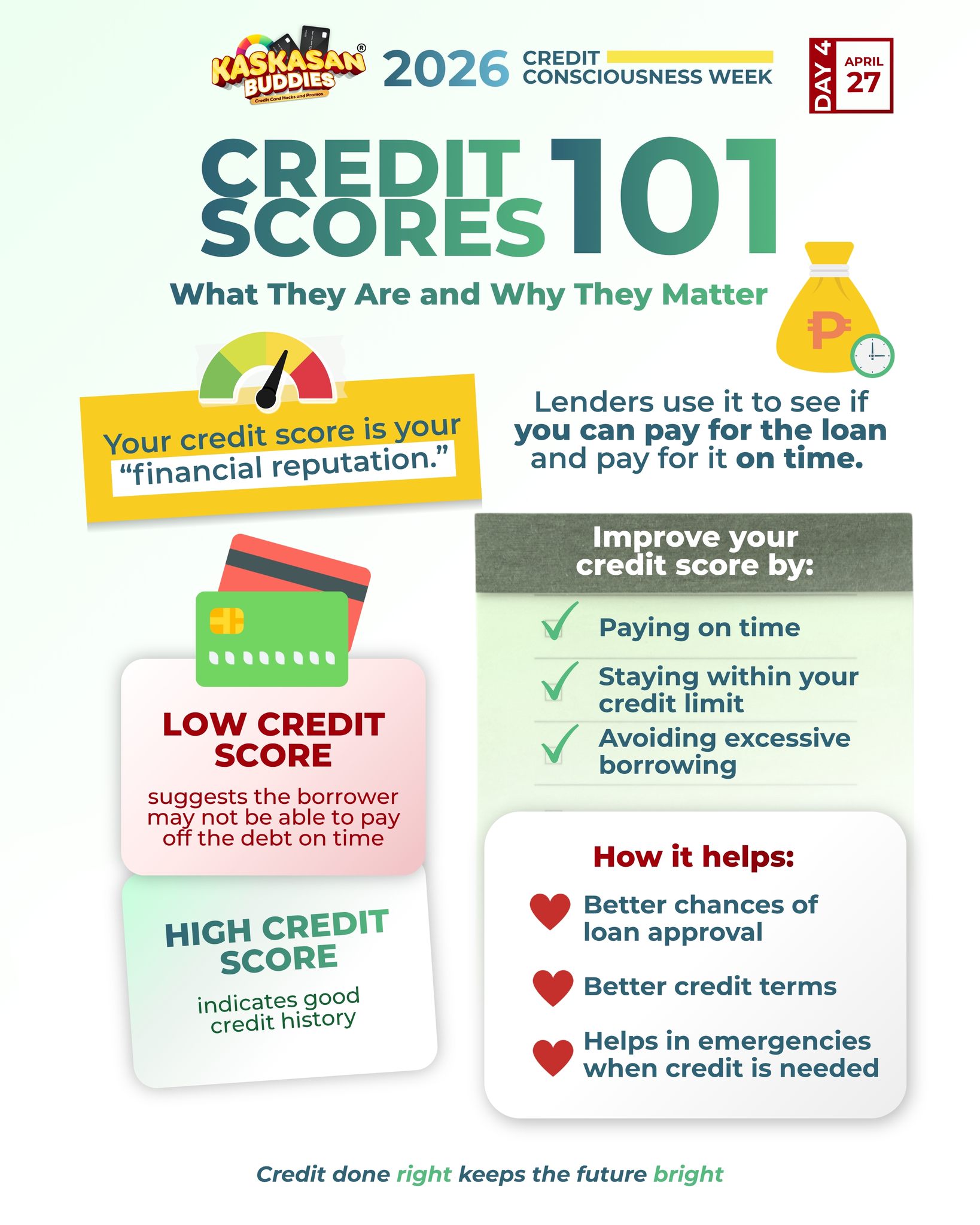
Different kinds of credit report models may calculate your score in a different way, however they usually think about payment history, amounts owed, length of credit history, brand-new credit, and credit mix. Requesting too much new credit simultaneously can briefly reduce your rating and might make lending institutions see you as a higher-risk debtor.
Examining your credit report regularly with the major credit bureaus can assist you catch errors, area prospective identity theft, and conflict unreliable information. An excellent credit rating can make it simpler to get approved for credit and may help you improve rate of interest on significant purchases, such as a home or vehicle.
Modern Methods to Improve Your Credit in 2026
As a financial consultant, I've dealt with a great deal of people who have actually hurt their credit rating in one method or another because they didn't comprehend the essentials. The great news is that credit report can frequently improve with constant habits over time. Comprehending what affects your rating is the first action.
A credit rating is a numerical expression of how credit-worthy you are. And a major factor in that comes down to how likely you are to make your payments on time. It takes into consideration details from your credit report, consisting of credit card companies you've dealt with, banks where you have or formerly had loans, and almost anyone else who's considered you for credit.
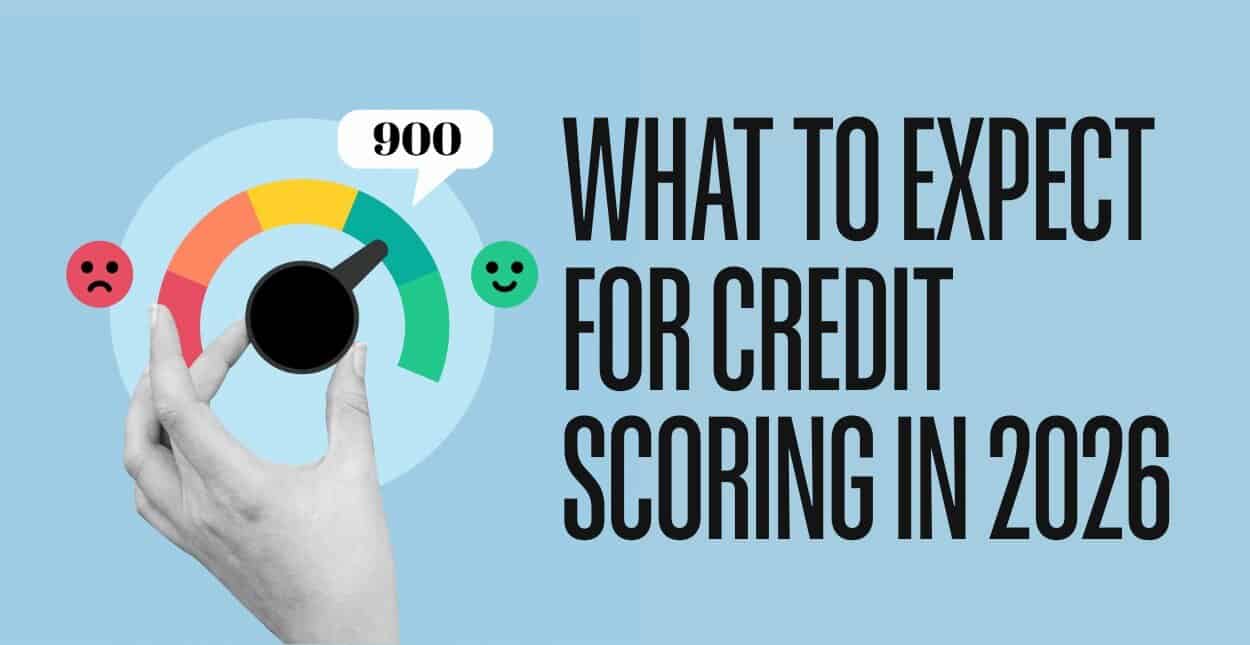
You've probably heard of a FICO score. That's because, while there are several agencies that produce credit ratings, FICO scores are amongst the most widely utilized. They vary from 300 to 850, and each range figures out how most likely you are to get credit and at what interest rate. Your rating not just can mean the distinction in between getting or not getting a home mortgage or auto loan, but also how much it will cost you to borrow that money.
Various credit scores like FICO or VantageScore use a little different methods to determine your score. In general, your score is based on five factorshere are recent FICO weightings: Your payment history (35%) How much you owe (30%) How long you have actually been using credit (15%) Number of new credit accounts and applications (10%) Types of credit you utilize (10%) Understanding how all this fits together is essential to answering the next, maybe most important question.
Key Financial Literacy for Adults in 2026
A bad credit rating may be due to some mistakes you have actually made, or it may be due to the fact that you're new to the credit world and don't have much to reveal for it yet. Whatever the factor, here are seven things you can do to bring that score upand keep it there.
Making routine, on-time payments is one of the best methods to bring it back up. That's what I did to improve my own score when I got out of college.
Ideally, the amount you borrow ought to be less than 30% of your offered credit line. This is called your credit usage rate. If you have a card with a $5,000 limitation, 30% of that is $1,500. To me, the best guide is to only charge what you can pay off each monththat needs to be your real limit.
This will assist you construct credit and, at the very same time, avoid of debt. New accounts and multiple credit applications can reduce your rating and cause loan providers to see you as a higher risk. Many cards use rewards and discounts to lure you in, but do not be lured by complimentary things.
The Advantages of Professional Credit Counseling Services
That $10 off now might end up costing you a lot more later on. And while it might seem counterintuitive, every time you make an application for a new charge card, the lender will usually run a "tough questions" into your credit historyand credit queries can result in unfavorable marks on your credit score.
Your credit mix matters. In addition to charge card, having other kinds of credit such as trainee loans, a vehicle loan, or a home mortgage can enhance your rating. But avoid opening brand-new accounts simply to help your credit score. It's much better to develop the discipline of paying down debt and managing your current credit sensibly.
As long as they're open, they will be factored into the average age of your credit. You don't have to carry a balance to help your credit score.

Latest Posts
Building Credit Through Advanced Financial Literacy Education

Core Financial Literacy Concepts for Adults in 2026
A Guide to Improving Credit in 2026